Blog

行业资讯 / 公司动态 / 产品知识

October 24, 2026

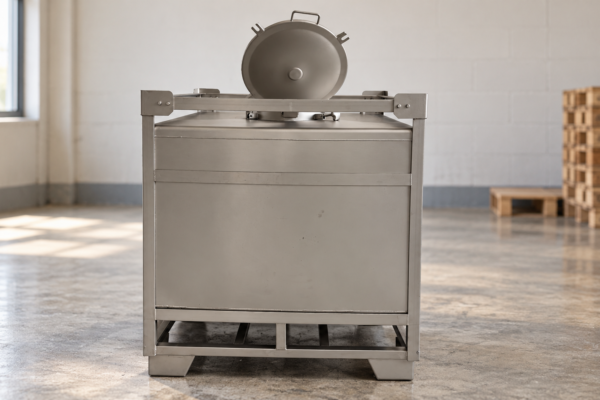
Metal IBC Tank Valves and Fittings: How to Specify the Right Setup

Valve and fitting choices can determine whether a metal IBC tank is easy to fill, drain, clean, and connect to the rest of a liquid handling system. The right specification depends on the stored liquid, the transfer method, and the way the tank will be moved or installed. Match the materials to the liquid Start…
October 24, 2026

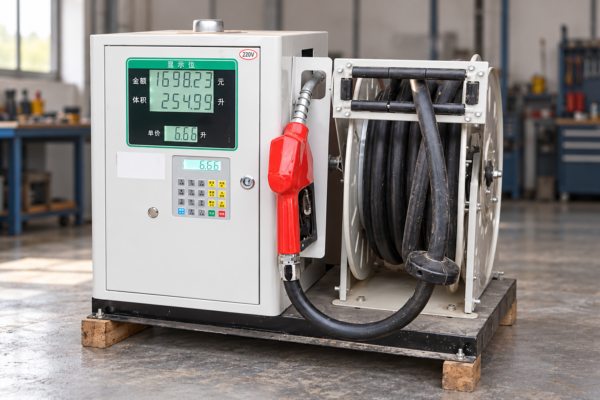
Fuel Dispenser Safety Checks Before Every Shift

A fuel dispenser may look simple from the outside, but a short check before each shift helps protect operators, vehicles, and the transfer system. The inspection should be practical enough for a busy farm, construction site, fleet yard, or mobile refuelling point. Check the cabinet and connections Look for loose panels, damaged seals, exposed wiring,…

October 24, 2026

Fuel Storage Planning for Mixed Equipment Fleets

Fuel storage planning becomes difficult when one site serves trucks, excavators, generators, and seasonal equipment. A portable diesel tank can reduce daily trips for refuelling, but the tank size and transfer setup should match the way the fleet actually works. Start with daily fuel demand List each equipment group, its average operating hours, and its…

October 20, 2026

Metal IBC Receiving Checklist: From Delivery to Warehouse Handover

A metal IBC receiving checklist helps a warehouse record the delivered equipment before it enters service. Focus on identification, visible condition, fittings and documentation. These receiving observations support a traceable handover; they do not establish chemical compatibility, transport approval or permission to stack the tank. Prepare a record for each delivered unit Have the purchase…

October 20, 2026

Fuel Dispenser Spare Parts: How to Prepare an Accurate Enquiry

A fuel dispenser spare parts enquiry is easier to answer when it identifies both the equipment and the component. A photograph of a nozzle or a pump may be a useful starting point, but visual similarity alone does not confirm that a replacement will fit or suit the application. Build the request around the installed…

October 20, 2026

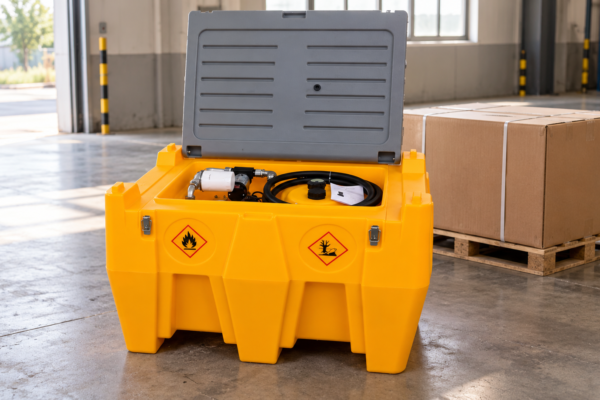
Portable Diesel Tank Delivery Inspection: A Practical Receiving Checklist

A portable diesel tank delivery inspection creates a record of what arrived and whether it matches the order. Start with the packaging, then check the visible equipment and supplied accessories against the agreed documents. Keep receiving checks separate from installation and commissioning: accepting a delivery does not establish that a tank is ready to fill…

October 19, 2026

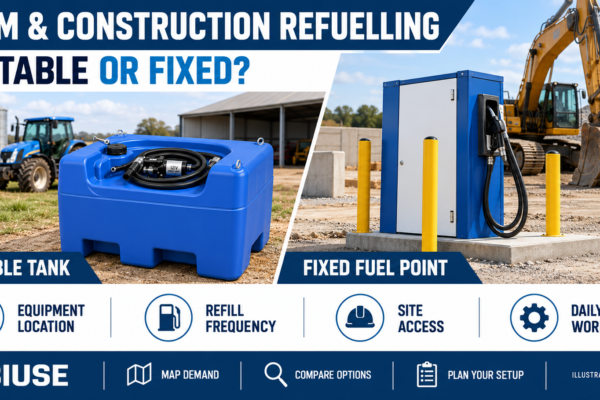
Farm and Construction Refuelling: Portable Tank or Fixed Fuel Point?

A refuelling plan should follow the work. When machines operate across scattered fields or changing construction areas, bringing fuel closer to them may be useful. When vehicles regularly return to a yard, a fixed fuel point may fit the routine better. Start by mapping demand before choosing equipment. Map where fuel is needed List the…

October 19, 2026

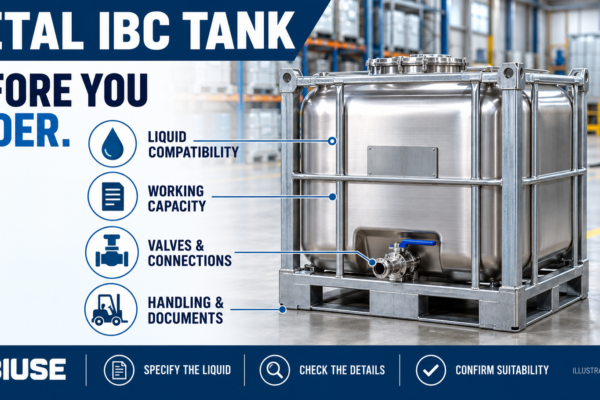
Metal IBC Tank Buying Guide: Questions to Ask Before Ordering

Choosing a metal IBC tank involves more than selecting a capacity. Before requesting a quotation, define the liquid, operating conditions, handling method and connections you need. A written specification gives both buyer and supplier a clearer basis for confirming suitability. Start with the liquid and its operating conditions Identify the exact liquid, its concentration where…

October 19, 2026

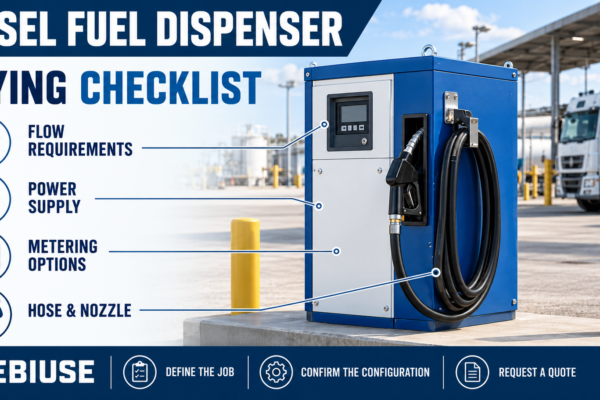
Diesel Fuel Dispenser Buying Checklist: What to Include in Your RFQ

A useful diesel fuel dispenser quotation starts with a clear description of the job. Tell the supplier what you need to refuel, where the equipment will operate and which components must be included. This helps you compare complete proposals rather than prices for different configurations. 1. Describe the refuelling operation List the vehicles or machines…

September 23, 2026

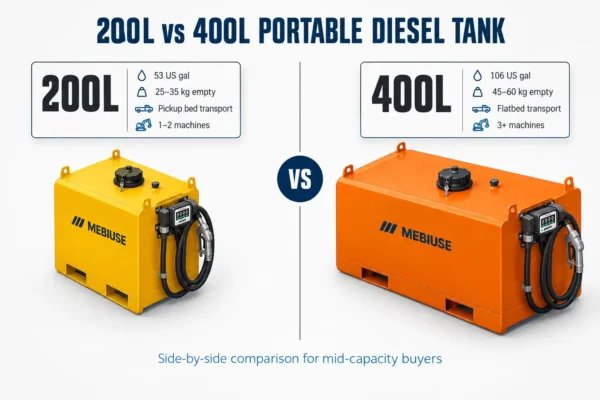
200L vs 400L Portable Diesel Tank: Which One Should You Choose?

If you are looking at portable diesel tanks for a farm, contractor site, or small fleet, you’ve probably narrowed it down to two options: a 200L or a 400L portable diesel tank. These are the two most popular mid-capacity sizes in the market, accounting for the majority of farm and contractor purchases worldwide. The right…